

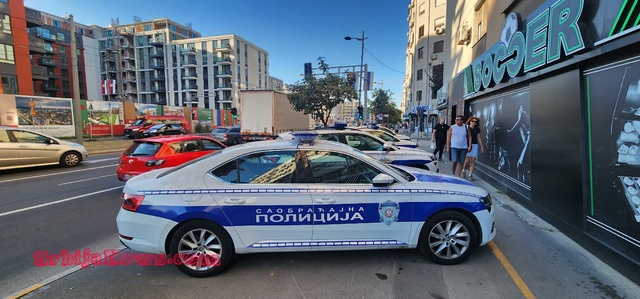
The editorial team at SRBIJA NEWS conducted a comprehensive investigation to understand which new vehicles are most popular among Serbian consumers in 2025, how much they cost, where buyers can save money, and whether it’s still worth purchasing a used car instead of a new one.
SRBIJA NEWS – According to the latest industry data, the Serbian new car market has grown by 10% compared to 2023. In 2024, 27,862 new passenger vehicles were sold. Projections for 2025 indicate a stable market, with expected sales between 24,000 and 26,000 new units. In contrast, the used car market remains dominant, with over 130,000–135,000 second-hand vehicles imported in 2024 alone. That means approximately 84% of all car purchases in Serbia are for used vehicles, while only 16% are for brand-new ones.
The average price of a new car in Serbia in 2025 is around €20,000. For a used vehicle, the average cost is much lower, approximately €9,981. With the average monthly salary in Serbia standing at about €679 as of early 2025, a used car is far more accessible to the average consumer — it requires about 14–15 months of income, whereas a new car requires roughly 29 months’ worth of wages. This affordability gap explains the continuing preference for used cars among Serbian buyers.
Among new vehicles, the most popular brands in 2025 are Škoda, Toyota, Hyundai, Renault, and BMW. In the first quarter of 2025, Škoda sold 1,461 units, Toyota 609, Hyundai 389, Renault 375, and BMW 346. On the used market, the highest demand is for gasoline-powered vehicles with engine capacities under 1,500 cm³ and prices below €20,000 — covering about 60% of all purchases.
Buying a new car offers advantages like warranty coverage, service packages, and a low risk of mechanical failure. Used vehicles are more affordable but can entail additional repair and maintenance costs. Another concern is that many imported used cars are more than 15 years old and often comply only with Euro 3 or Euro 4 emission standards, raising environmental issues. The average age of cars on Serbian roads today is approximately 17 years.
To encourage greener choices, the Serbian government is continuing its electric vehicle (EV) subsidy program into 2025. Buyers can receive up to €5,000 in support when purchasing an EV, with the program active until October 2025. These subsidies are available to both private individuals and companies and are making EVs an increasingly attractive option in light of rising fuel prices and lower maintenance costs.
For buyers looking to save money, experts recommend using trusted online platforms such as Polovni Automobili or MojAuto, where both new and verified used cars are available. Importing vehicles from the EU can also be a cost-effective option, especially when accompanied by a EUR-1 certificate that qualifies the buyer for customs and tax reductions. Typical import costs include about 7.5–8.8% in customs duties, 20% VAT, and approximately €150–200 in additional fees.
In summary, while used cars remain the preferred choice for most Serbian drivers in 2025, interest in new, budget-friendly vehicles is growing steadily. Government incentives, digital marketplaces, and import opportunities have made the market more dynamic and competitive. However, whether buying new or used, consumers are advised to conduct thorough checks on vehicle condition, service history, and documentation.
Sources & corrections
SRBIJA NEWS identifies sources and updates information when available. If you notice an error or can provide verified local information, please contact the newsroom.
Send a correction or update